English
CLOSE
CLOSE
Search
The choice between a mid-drive motor and a hub motor is one of the most important decisions for e-bike manufacturers, brands, and builders. Both systems power millions of electric bikes worldwide, but they serve different product goals, riding conditions, and market segments.
This guide provides a practical comparison to help OEMs, distributors, and e-bike brands choose the right drivetrain for their target customers. Whether you are developing a premium performance bike or a cost-effective commuter model, the motor architecture will directly affect riding feel, efficiency, cost, and long-term reliability.
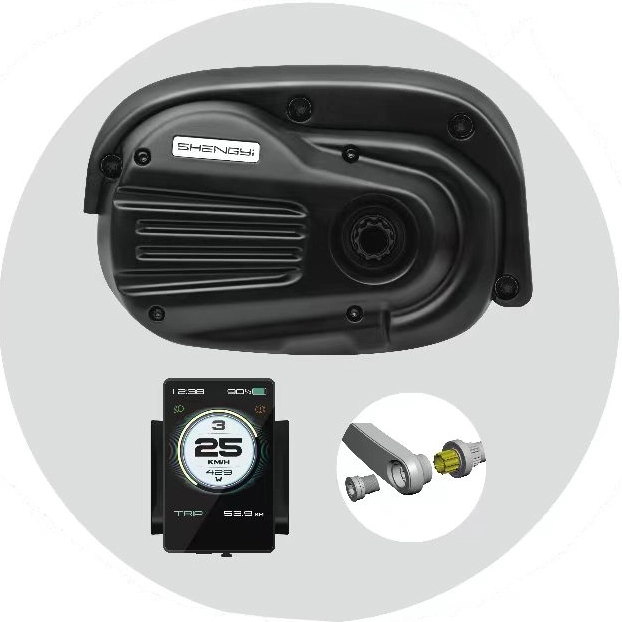
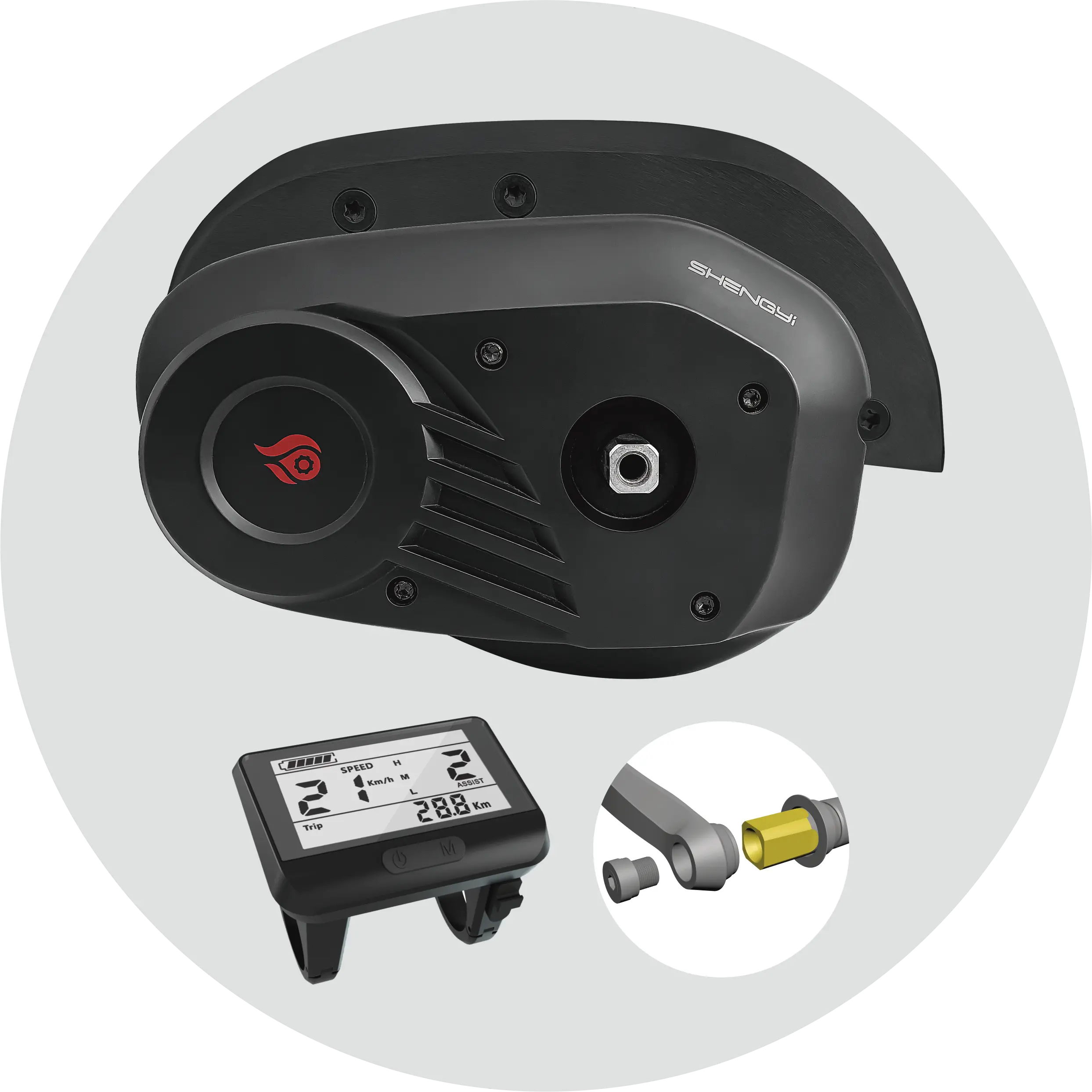
Mid-drive motors, also called central drive or crank-drive motors, are mounted at the bike’s bottom bracket. Instead of driving the wheel directly, they send power through the chain or belt and work with the bicycle’s gears. This allows the motor to stay in a more efficient operating range across different speeds and terrain.
The biggest advantage of a mid-drive motor is torque multiplication through the gears. This makes it especially effective for climbing, carrying loads, and riding on mixed terrain. It also creates a more balanced weight distribution because the motor sits near the center of the bike.
For premium e-bikes, torque sensors are often paired with mid-drive systems to create smoother and more natural pedal assist. Shengyi’s CMT series mid-drive motors, including models such as CMT03, are designed for reliable performance, strong torque output, and OEM integration.
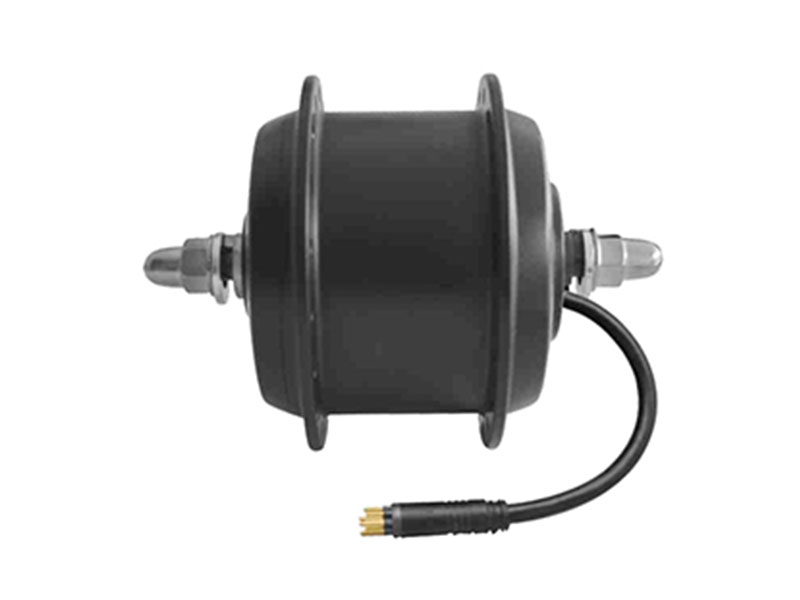
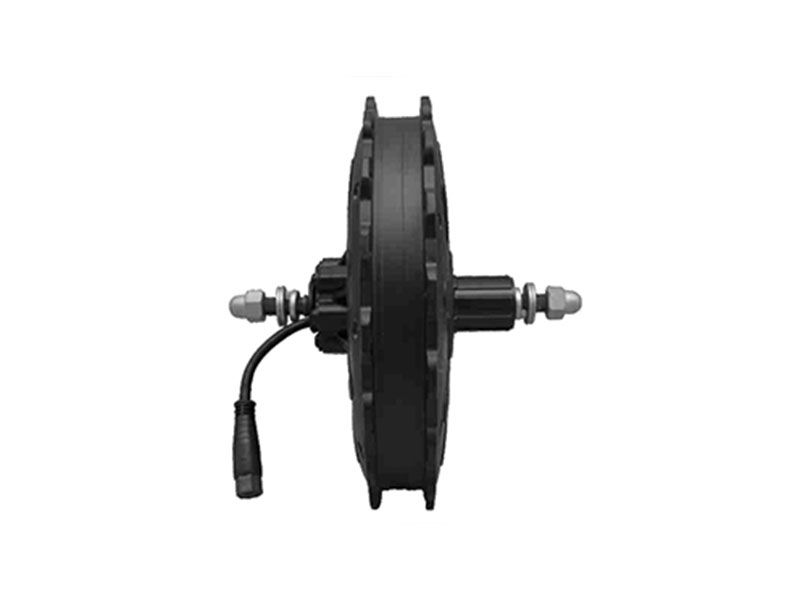
Hub motors are integrated directly into the wheel hub, either in the front or rear wheel. They deliver power straight to the wheel without relying on the drivetrain, which makes them simple, quiet, and easy to integrate into different bike platforms.
One major advantage of a hub motor is its straightforward structure. Because it does not depend on the chain or derailleur for power delivery, installation is easier and maintenance is usually lower. That makes hub motors a practical choice for city bikes, entry-level e-bikes, and conversion kits.
Hub motors are also widely used in cost-sensitive product lines because they help reduce complexity and keep the bill of materials under control. Shengyi offers a wide range of geared hub motors and direct-drive hub motors for commuter, cargo, and general-purpose e-bike applications.
The right drivetrain depends on the product strategy. Mid-drive systems usually perform better in demanding riding conditions, while hub motors are often the better choice for simplicity and affordability.
| Aspect | Mid-Drive Motor | Hub Motor |
| Torque & Hills | Excellent, gears multiply torque | Good, especially geared hubs |
| Efficiency & Range | Higher overall efficiency | Good on flats, weaker on hills |
| Weight Distribution | Balanced, better handling | Added weight in the wheel |
| Maintenance | Moderate, chain and belt wear | Very low |
| Cost | Higher | Lower |
| Noise & Feel | Natural pedal assist | Very quiet, direct feel |
| Best Applications | MTB, touring, cargo, premium bikes | Commuter, city, conversion kits |
In general, mid-drive motors are better for high-performance e-bikes, while hub motors are better for cost-sensitive and low-maintenance builds.
Torque is often more important than wattage when riders compare performance. Mid drive motors usually feel stronger on climbs because they can use the bike’s gears to stay efficient.
Torque sensors also improve ride quality, especially on premium e-bikes. They create smoother pedal assist and a more natural riding experience.
Hub motors still have clear advantages. They are easier to integrate, quieter in many applications, and better suited for riders who want a simple and dependable setup.
Shengyi supports both drivetrain types, giving OEMs more flexibility when building e-bike product lines.
For mid-drive applications, Shengyi’s CMT series offers strong torque, smooth control, and reliable performance for premium e-bikes. For hub motor applications, Shengyi’s rear-drive and direct-drive models are ideal for commuter bikes, city bikes, and budget-friendly builds.
This dual product structure helps brands serve different markets without changing suppliers or compromising on quality.
Choose a mid drive motor if your e-bike is designed for hills, cargo, touring, or premium performance.
A mid-drive motor is usually the better choice for mountain bikes, touring bikes, heavy cargo bikes, and premium urban e-bikes. These applications benefit from stronger climbing ability, better efficiency on mixed terrain, and more balanced handling.
A hub motor is usually the better choice for affordable city commuters, conversion kits, flat-terrain fleets, and budget-friendly models. These bikes benefit from simple integration, low maintenance, and competitive pricing.
Many successful e-bike brands use a hybrid strategy by offering both drivetrain types. This allows them to serve different customers without limiting themselves to a single price segment or riding category.
Mid-drive systems are generally more expensive, but they offer premium performance and a more refined ride experience. Hub motors support lower production costs and faster time-to-market, which makes them attractive for mass-market models.
Looking ahead to 2026 and beyond, the market is moving toward lighter mid-drive motors, smarter torque sensing, and improved hub motor efficiency. Manufacturers that can support both drivetrain directions will have a stronger advantage as customer expectations continue to rise.
It depends on the application. Mid drive is better for performance, while hub motor is better for simplicity and cost.
Yes, especially geared hub motors. But mid drive systems are usually better for steep or long climbs.
They can create more wear on the chain and cassette, so maintenance is slightly higher than with hub motors.
Shengyi provides reliable mid-drive and hub motor solutions with OEM support, customization, and manufacturing consistency.
 sales@syimotor.com
+86-512-65975022
 +86-512-65963935
 No.588, Liupu Road, Wuzhong District, Suzhou/215124, JiangSu Province, China